California has become one of the biggest solar energy markets in the United States. With rising electricity prices, long sunny days, and strong clean energy policies, more homeowners are switching to solar every year. Whether you live in Los Angeles, San Diego, San Jose, Sacramento, or a smaller California city, installing solar panels can significantly reduce monthly utility bills and increase property value.
But one of the biggest questions homeowners ask is simple: How much does it cost to get solar in California?
The answer depends on several factors, including your home size, electricity usage, roof condition, financing method, and whether you add battery storage. In this guide, we’ll break down real California solar costs, available incentives, monthly savings, installation timelines, and everything homeowners should know before going solar in 2026.
Why California Is One of the Best States for Solar
California receives abundant sunlight throughout the year, making it one of the most efficient states for residential solar systems. The state also has some of the highest electricity rates in the country. Because of this, homeowners can often recover their solar investment faster than people living in many other states.
Another reason solar is growing rapidly in California is the state’s push toward renewable energy. California has introduced several programs encouraging clean energy adoption, including solar incentives, net billing programs, and battery storage support.
In cities like Los Angeles, San Diego, Fresno, Bakersfield, and Riverside, homeowners are seeing major savings after installing solar systems. Many residents are now choosing solar not only for environmental reasons but also for long-term financial benefits.
Average Cost of Solar Panels in California
The average cost of a residential solar system in California in 2026 typically ranges between $15,000 and $30,000 before incentives. After applying the federal solar tax credit, many homeowners pay somewhere between $10,000 and $22,000.
The final cost depends on the system size:
- Small homes may need a 4kW to 5kW system
- Medium homes usually install 6kW to 8kW systems
- Large homes often require 10kW or larger systems
Here’s a general estimate of solar pricing in California:
| System Size | Average Cost Before Incentives | Average Cost After Tax Credit |
| 4kW | $12,000 – $16,000 | $8,500 – $11,500 |
| 6kW | $16,000 – $22,000 | $11,000 – $16,000 |
| 8kW | $22,000 – $28,000 | $15,000 – $20,000 |
| 10kW | $28,000 – $36,000 | $20,000 – $26,000 |
These prices usually include solar panels, inverters, mounting hardware, permits, labor, and installation.
What Affects Solar Installation Costs in California?
Several factors influence how much you’ll pay for solar.
Home Energy Usage
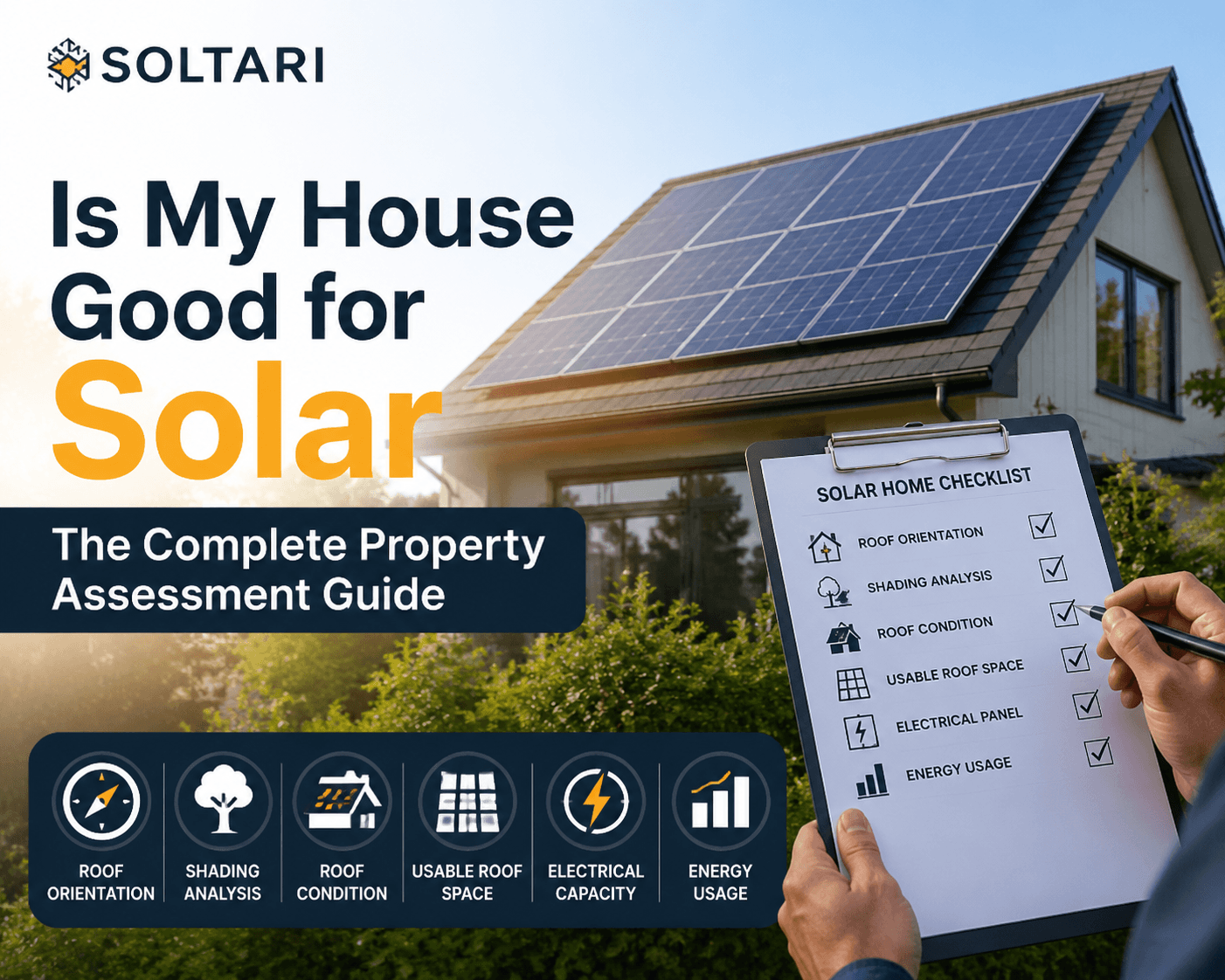
Homes with higher electricity consumption require larger solar systems. If you run air conditioning regularly or own an electric vehicle, your system size — and total installation cost — may increase.
Roof Type and Condition
A simple asphalt shingle roof is easier and cheaper to install solar on compared to tile or metal roofs. If your roof needs repairs before installation, that can add additional costs.
Solar Panel Quality
Premium solar panels cost more upfront but usually provide better efficiency and longer warranties. Many California homeowners prefer high-efficiency panels to maximize energy production.
Battery Storage
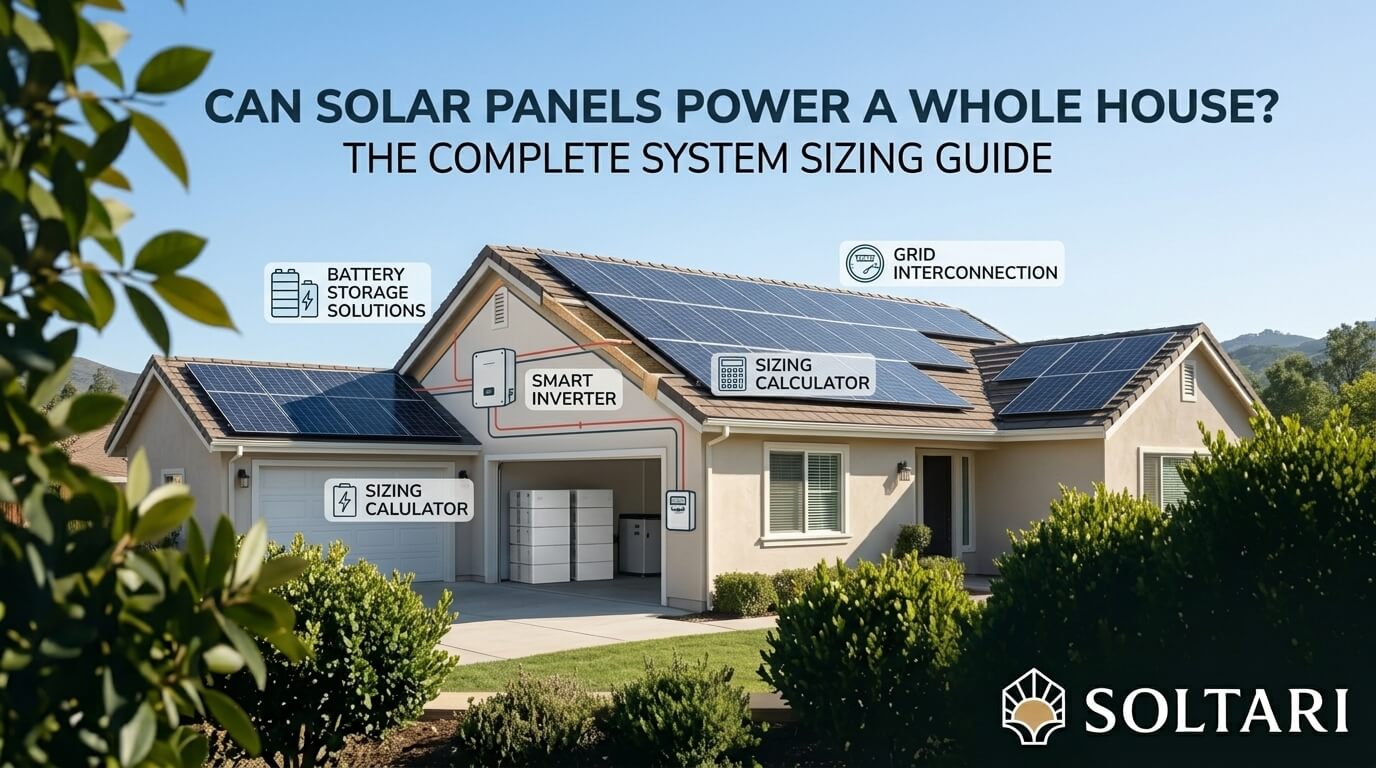
Adding a solar battery can significantly increase your total project price. However, batteries provide backup power during outages and help reduce reliance on utility companies during peak pricing hours.
Installer Experience
Well-established solar companies may charge higher prices, but they often provide stronger warranties, better customer service, and more reliable installations.
How Much Can You Save With Solar in California?
California homeowners can save tens of thousands of dollars over the lifetime of their solar systems.
Most homeowners save between $100 and $350 per month on electricity bills, depending on:
- Home size
- Electricity usage
- Utility provider
- Solar system output
- Battery usage
Over 25 years, total savings can exceed $50,000 to $100,000 in some areas where electricity rates continue rising.
Since California utility prices have increased steadily over recent years, solar provides protection against future rate hikes. Many homeowners view solar as a long-term investment rather than just a home upgrade.
Federal Solar Tax Credit in 2026
One of the biggest reasons solar remains affordable is the federal solar tax credit.
Homeowners who purchase a solar system can currently deduct 30% of the installation cost from federal taxes. This incentive applies to:
- Solar panels
- Inverters
- Batteries
- Labor and installation
- Permits
For example, if your solar installation costs $20,000, you could receive a $6,000 federal tax credit.
This incentive has helped millions of Americans transition to solar energy and continues to reduce the upfront cost of residential systems.
California Solar Incentives and Rebates
In addition to federal incentives, California offers several local and utility-based programs.
Net Billing Programs
California previously operated under net metering systems where homeowners received strong credits for sending extra electricity back to the grid. The newer net billing structure still allows homeowners to earn credits, especially when paired with battery storage systems.
Battery Incentives
Programs like SGIP (Self-Generation Incentive Program) may help reduce battery storage costs for eligible homeowners.
Property Tax Exclusion
California homeowners generally do not pay increased property taxes due to the added home value from solar installations.
These incentives make California one of the most solar-friendly states in America.
Is Solar Still Worth It in California?
Yes — for many homeowners, solar remains highly valuable in California despite policy changes.
Electricity costs in California continue to rise. Utility companies charge especially high rates during peak evening hours. Solar panels combined with batteries help homeowners avoid expensive utility pricing and gain greater energy independence.
Solar is especially worth it if:
- You plan to stay in your home for several years
- Your roof receives strong sunlight
- Your electricity bill is high
- You want predictable long-term energy costs
- You own or plan to buy an EV
Even with updated net billing policies, many homeowners continue seeing strong returns on investment.
Best Solar Financing Options
California homeowners typically choose between three financing methods.
Cash Purchase
Paying up front provides the highest long-term savings because there are no financing charges. You also fully own the system and qualify for tax incentives.
Solar Loan
Solar loans are extremely popular because they allow homeowners to install solar with little or no upfront cost. Monthly payments are often lower than existing electricity bills.
Solar Lease or PPA
With leases and power purchase agreements, homeowners usually pay little up front but do not own the system. Savings may be lower compared to ownership options.
Most experts recommend ownership through cash or financing because it maximizes long-term value.
How Long Does Solar Installation Take in California?
The solar process usually takes between one and three months from start to finish.
Typical steps include:
- Initial consultation
- Home energy assessment
- System design
- Permit approvals
- Installation
- Utility inspection
- System activation
The actual installation often takes only one to three days. Most delays happen during the permitting and utility approval stages.
Best Areas in California for Solar Savings
Some California cities offer especially strong solar returns due to high electricity costs and abundant sunlight.
Los Angeles
Large homes and heavy AC usage make solar highly attractive in Los Angeles.
San Diego
San Diego homeowners often experience excellent solar production year-round due to consistent sunshine.
Fresno
Central Valley cities like Fresno receive intense sunlight, helping systems produce strong energy output.
Bakersfield
Bakersfield’s hot summers lead to high electricity bills, making solar extremely cost-effective.
Sacramento
Sacramento homeowners can benefit from lower system payback periods due to strong sunlight conditions.
Should You Add a Solar Battery?
Battery storage is becoming increasingly popular in California.
A solar battery stores excess daytime energy for use at night or during outages. This is especially important because California utility companies charge higher evening electricity rates.
Benefits of battery storage include:
- Backup power during blackouts
- Lower evening utility costs
- Better energy independence
- Increased use of solar-generated electricity
Although batteries increase upfront costs, many homeowners find them valuable for long-term savings and reliability.
Common Mistakes Homeowners Make When Going Solar
Choosing the Cheapest Installer
Low pricing sometimes means poor installation quality or weak warranty support. Always review customer reviews and company history.
Ignoring Roof Condition
Installing solar on an aging roof may require costly panel removal later for roofing work.
Not Comparing Quotes
Getting multiple quotes helps homeowners find better pricing and service options.
Oversizing or Undersizing the System
A properly designed system should match your long-term electricity needs.
Forgetting About Battery Storage
With California’s changing utility pricing structures, batteries may provide more value than ever before.
How to Choose the Best Solar Company in California
When comparing solar companies, homeowners should look for:
- Strong customer reviews
- Long workmanship warranties
- Premium equipment options
- Transparent pricing
- NABCEP-certified installers
- Local California experience
Ask every installer about projected savings, financing options, maintenance, and warranty coverage before signing a contract.
Does Solar Increase Home Value?
Yes, many studies show that homes with solar systems often sell for more than homes without solar.
Buyers increasingly value energy-efficient homes because they offer lower utility costs. Owned solar systems are especially attractive to future buyers.
In competitive California housing markets, solar panels may help homes stand out and sell faster.
Maintenance Costs for Solar Panels
Solar panels require very little maintenance.
Most systems only need:
- Occasional cleaning
- Annual inspections
- Monitoring system checks
High-quality solar panels can last 25 years or more. Many manufacturers also offer performance warranties guaranteeing long-term energy production.
California’s dry climate helps reduce maintenance concerns compared to wetter regions.
Future of Solar Energy in California
California’s solar industry continues evolving rapidly. Battery technology is improving, installation prices are gradually becoming more competitive, and homeowners are becoming increasingly focused on energy independence.
The rise of electric vehicles, smart homes, and battery storage is pushing even more Californians toward solar adoption. Many experts believe residential solar will remain one of the strongest home investments for the foreseeable future.
As electricity prices continue rising, solar energy offers homeowners more financial control and long-term stability.
Final Thoughts
So, how much does it cost to get solar in California?
Most homeowners spend between $15,000 and $30,000 before incentives, depending on system size and battery options. After tax credits and rebates, the final cost can become much more affordable.
For many California homeowners, solar is no longer just an environmental decision — it’s a financial strategy. Lower electricity bills, long-term savings, energy independence, and increased home value make solar one of the most valuable home upgrades available today.
If you’re considering solar in California, the best first step is comparing quotes from reputable local installers and understanding your home’s specific energy needs. With the right system, solar can provide decades of reliable savings and clean energy.