Rising electricity bills and growing environmental awareness have made energy efficiency a top priority for millions of homeowners. Whether you want to slash your monthly utility costs, reduce your carbon footprint, or future-proof your property, understanding how to make your home more energy efficient is one of the smartest investments you can make. This guide covers everything — from quick daily habits to structural design principles — so you can start saving today.
30% Average savings from energy upgrades
#1 Home heating & cooling = biggest energy cost
7–10 years Payback on most efficiency investments
FAQ 01
How to save energy at home — everyday habits that make a real difference
The simplest way to begin your home energy saving journey is through behavioral changes. You do not need to spend money on new appliances or renovations to see meaningful results on your electricity bill. Small, consistent habits compound into significant annual savings.
Start with lighting. Switching off lights when you leave a room sounds obvious, but studies show that the average household wastes around 15% of its electricity through this single habit alone. Pairing this with LED lighting upgrades can cut lighting energy use by up to 75% compared with traditional incandescent bulbs. LEDs also run cooler, which reduces the load on your air conditioning system in warm months.
Temperature management is another powerful lever. Setting your thermostat just two degrees lower in winter and two degrees higher in summer — and sticking to that discipline — can shave 5–10% off your heating and cooling bills. Use a programmable or smart thermostat to automate these adjustments around your schedule, ensuring the system is not working hard when the house is empty.
| Tip | Insight |
| 💡 Unplug standby devices | Phantom loads account for 5–10% of household electricity |
| 🌡 Wash clothes in cold water | 90% of washing machine energy goes to heating water |
| 🪟 Use natural ventilation | Open windows at night to cool rooms without AC |
| 🍳 Match pots to burner size | Oversized burners waste 40% of their heat |
In the kitchen, your energy-efficient cooking habits matter more than you think. Using a microwave instead of an oven for small meals uses up to 80% less energy. Running the dishwasher only when it is full and choosing the air-dry setting removes the largest energy draw in the wash cycle. Defrost frozen food in the refrigerator overnight rather than using the microwave or running water — this also reduces the fridge’s workload.
Finally, adopt a smart approach to laundry. Hang clothes to dry when weather permits. A tumble dryer is one of the most energy-hungry appliances in any home, using more electricity per cycle than a modern washing machine. If drying indoors, open a window — this prevents moisture build-up and reduces the risk of mould, which can damage insulation over time.
FAQ 02
How to design energy-efficient homes from the ground up
If you are building a new home or undertaking a major renovation, energy-efficient home design offers the greatest long-term return. Getting the fundamentals right at the design stage costs far less than retrofitting later, and the performance difference is dramatic.
Passive design — using the building itself to regulate temperature through orientation, insulation, and natural light — can reduce heating and cooling needs by up to 70% compared to a conventionally designed home.
Orientation and solar gain. In the northern hemisphere, positioning the longest walls of a home to face south (and in the southern hemisphere, north) maximises exposure to winter sun while allowing for overhangs that shade windows in summer. This passive solar strategy, a cornerstone of sustainable home architecture, can eliminate the need for supplementary heating on mild winter days entirely.
Thermal mass. Materials like concrete, stone, and brick absorb heat during the day and release it slowly at night. Incorporating thermal mass building materials into floors and internal walls stabilises indoor temperatures, smoothing out peaks and troughs without mechanical intervention. Pair this with high-performance glazing — triple-glazed windows with low-emissivity coatings — and your envelope becomes a highly effective thermal barrier.
Airtightness and controlled ventilation. A well-insulated home that leaks air defeats the purpose of its insulation. Modern airtight construction methods seal gaps around windows, doors, electrical outlets, and service penetrations. This must be paired with a mechanical ventilation system with heat recovery (MVHR), which exchanges stale indoor air for fresh outdoor air while recovering 85–95% of the heat that would otherwise be lost. The result is excellent indoor air quality without sacrificing thermal performance.
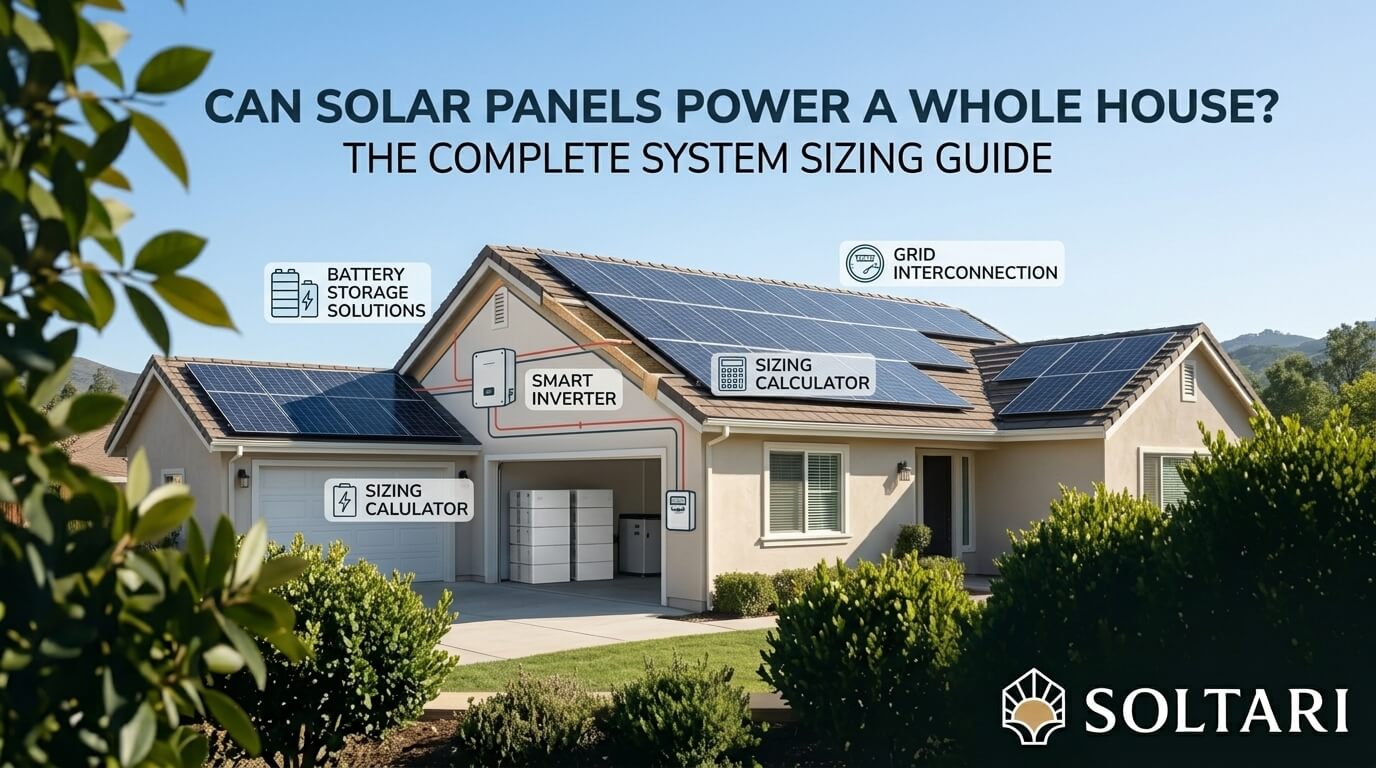
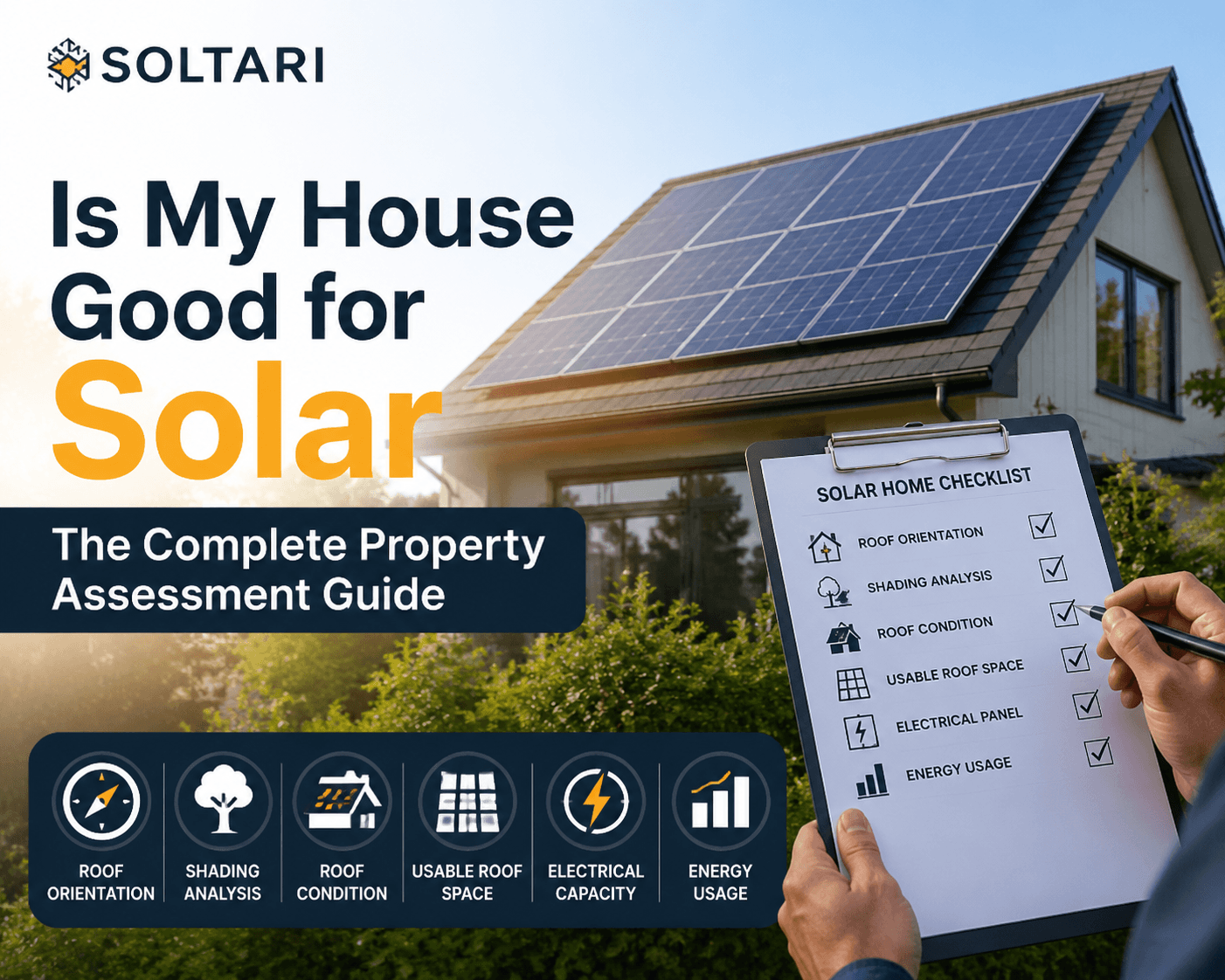
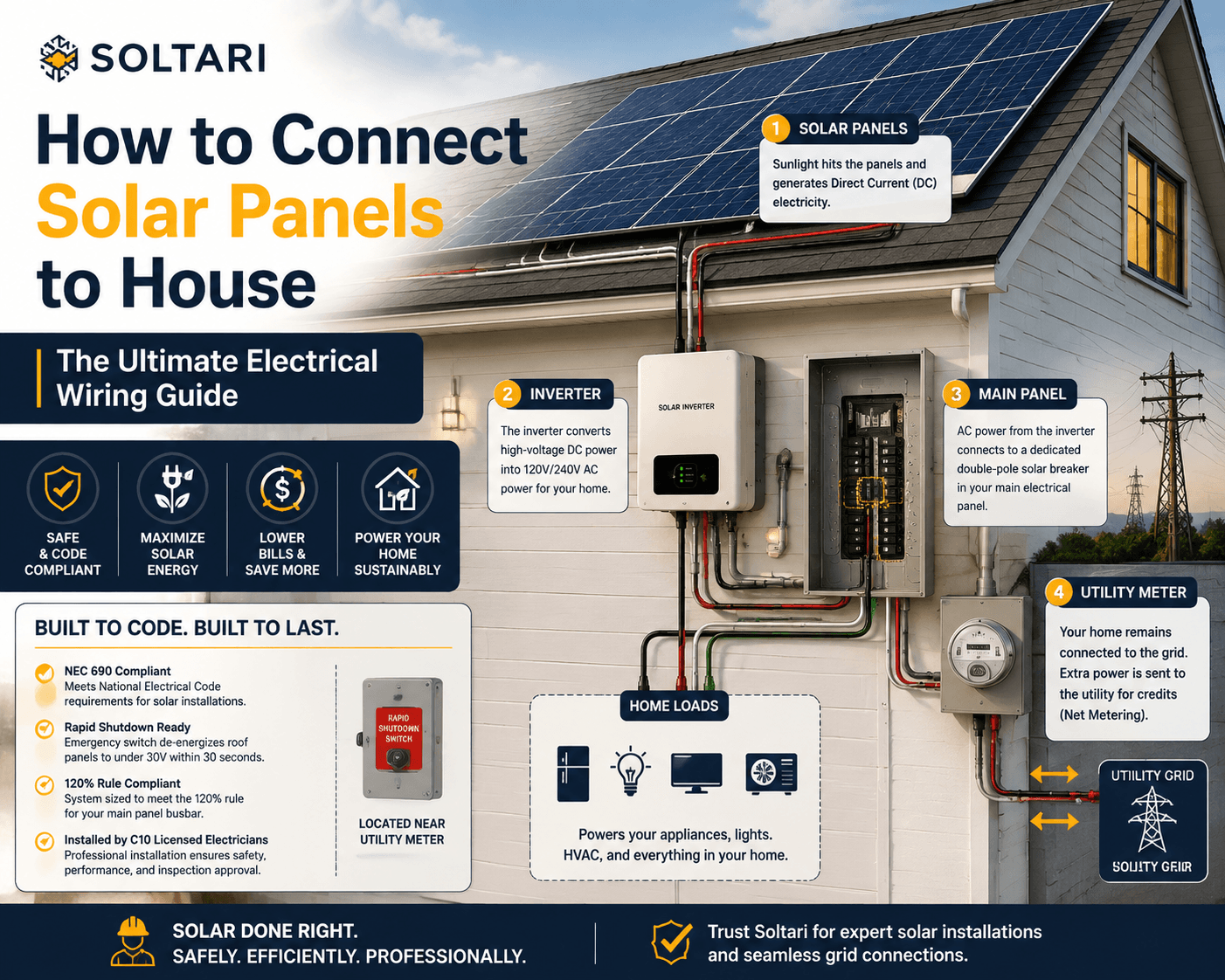
Renewable energy integration. Designing the roof for optimal solar panel placement — unshaded, south-facing in the northern hemisphere, with a pitch between 30 and 45 degrees — means any photovoltaic solar panel system installed now or in the future will perform at its peak. Similarly, specifying an air-source or ground-source heat pump as the primary heating system, rather than gas, future-proofs the home against fossil fuel price volatility and tightening emissions regulations.
FAQ 03
How to make your home energy efficient — practical upgrades that pay for themselves
For existing homes, the path to lower energy bills runs through a clear hierarchy of upgrades. Start with home insulation improvements — they deliver the highest return per pound or dollar spent. Loft or attic insulation is typically the easiest and cheapest to install, yet up to 25% of a home’s heat escapes through an uninsulated roof. Cavity wall insulation, where applicable, can cut heating bills by a further 15–20%.
After the building envelope, focus on your home heating system efficiency. If you have a gas boiler, ensure it is a modern condensing model and is serviced annually. Fit thermostatic radiator valves (TRVs) to every radiator so you can control temperatures room by room. In older homes, consider upgrading to a heat pump system — especially if paired with underfloor heating, which distributes heat more evenly and allows heat pumps to operate at their most efficient low-flow temperatures.
| Improvement | Cost | Annual Saving |
| 🏠 Loft insulation | £300 | ~£215 |
| 🧱 Cavity wall insulation | ~£400 | ~£180 |
| 🔆 Solar panels (4kW) | ~£6,000 | ~£640 |
| 🌬 Double glazing | ~£3,000 | ~£110 |
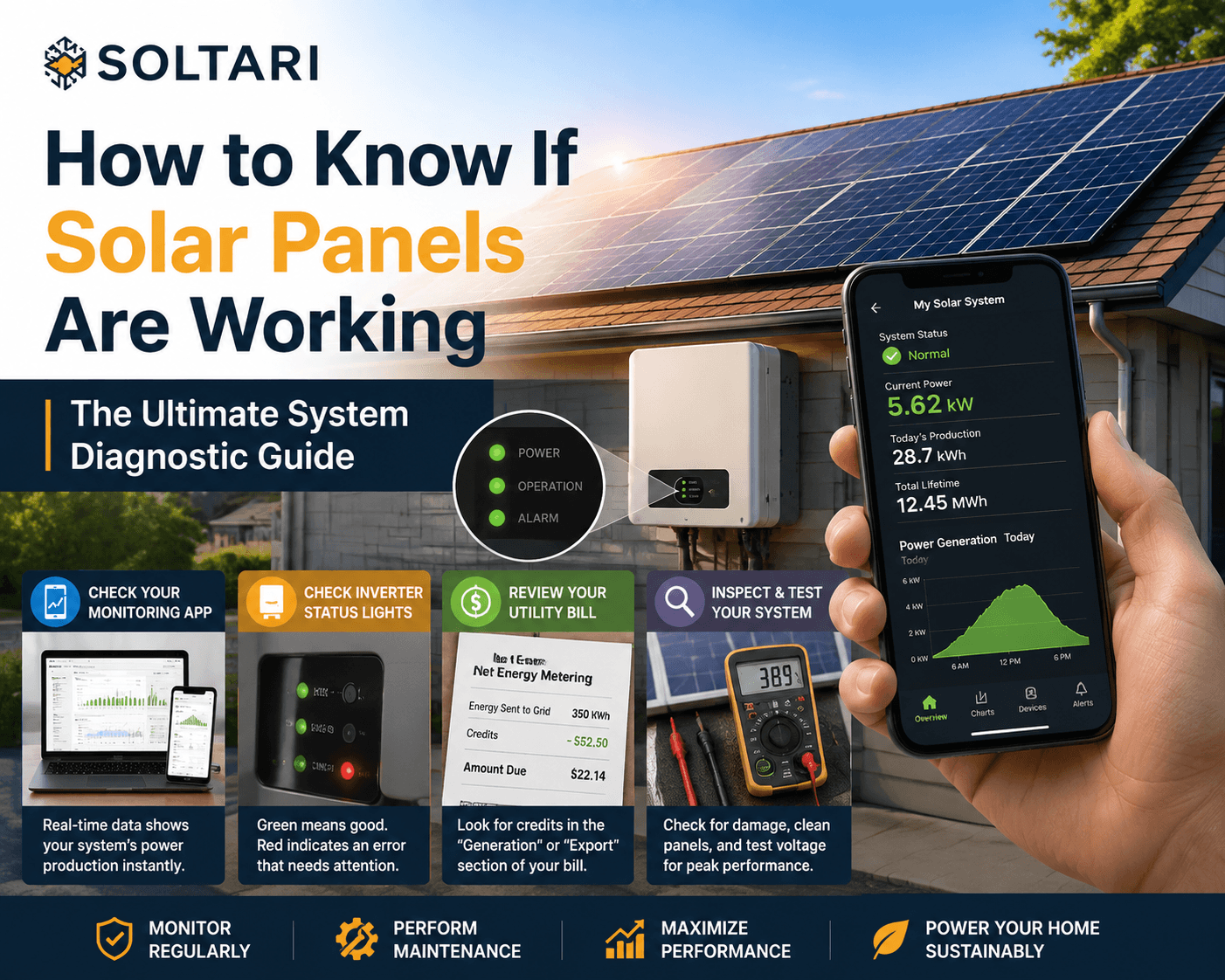
Smart meters and energy monitors are low-cost but high-impact tools. A smart meter gives you real-time data on energy consumption, while a clamp-on energy monitor can identify which specific appliances are consuming the most power. Many homeowners are surprised to discover that an old refrigerator, tumble dryer, or electric shower is responsible for a disproportionate share of their bill. This home energy monitoring approach helps you prioritise where to upgrade next.
Hot water accounts for roughly 18% of household energy use. An immersion heater timer or solar thermal panel can significantly cut this. Fitting a hot water cylinder jacket, if you have a tank-based system, costs under £20 and can save £35–45 a year. Insulating your hot water pipes is another quick win — warm water reaching your tap faster means shorter pre-run times and less waste.
FAQ 04
How do you save energy at home — a room-by-room breakdown
Breaking household energy conservation tips down by room makes the challenge more manageable and helps you identify where the biggest opportunities lie in your specific home.
Living room: This room is typically where the largest screen in the house lives. OLED and modern LED televisions use significantly less power than older plasma models, but screen brightness is the key variable — reducing it by 30% from the factory setting is barely perceptible to the eye but cuts TV power consumption noticeably. Avoid leaving set-top boxes and game consoles in standby; these are notorious standby power consumption offenders.
Kitchen: The refrigerator runs 24 hours a day, so its efficiency rating matters enormously. When replacing white goods, always choose the highest energy rating available. Keep the fridge coils clean and ensure the door seals are airtight. Position the fridge away from the oven and out of direct sunlight to reduce its workload. A full freezer is more efficient than a near-empty one — fill gaps with water bottles if needed.
Bathroom: Switching from a power shower to an aerated showerhead can halve water heating costs while maintaining perceived pressure. Fitting a low-flow showerhead is a five-minute job that delivers year-round savings. Limit shower duration — a four-minute shower uses around 32 litres; a ten-minute power shower can use over 150 litres of hot water.
Home office: Laptops use up to 80% less energy than desktop computers. Enable sleep mode aggressively — a monitor left on overnight uses more energy than printing 800 pages. A power strip with an individual switch for each socket makes it easy to completely cut power to your workspace at the end of the day, eliminating office standby energy waste in seconds.
Bedroom: Electric blankets and heated mattress pads are remarkably efficient ways to stay warm — they heat the person, not the room. Using one for 30 minutes before bed and then switching it off allows you to turn the bedroom thermostat down several degrees without sacrificing comfort, a strategy known as zone heating for bedrooms.
FAQ 05
How to make your home more energy efficient — long-term strategies and smart technology
Beyond individual fixes, a truly high-performance energy-efficient home requires a systems-thinking approach. The various elements — building envelope, heating system, hot water, lighting, appliances, and renewables — should work together rather than being treated in isolation.
Smart home energy management systems are becoming increasingly accessible and affordable. A whole-home energy management system (EMS) can monitor consumption in real time, automatically schedule high-consumption tasks (dishwasher, washing machine, EV charging) for off-peak tariff periods, and integrate with solar panels and battery storage to maximise self-consumption of generated electricity. Major providers offer systems that can reduce annual energy bills by a further 15–25% on top of hardware improvements.
Battery storage is the logical companion to solar panels. A home battery stores surplus solar generation during the day and releases it in the evening, when household demand peaks and grid electricity is most expensive. With time-of-use tariffs — where electricity is cheaper at certain hours — a battery can also be charged from the grid overnight and discharged during peak-price periods, a strategy called energy arbitrage for homeowners.
Combining solar panels, a home battery, and a smart energy management system can allow some homes to achieve near-zero grid electricity dependence for six to eight months of the year in temperate climates.
Heat pump water heaters are an underappreciated technology. Unlike a standard electric immersion heater, which converts one unit of electricity into one unit of heat, a heat pump water heater moves heat from the surrounding air into the water — delivering two to three units of heat per unit of electricity consumed. For households with high hot water demand, the coefficient of performance (COP) advantage of a heat pump water heater can generate substantial annual savings.
Draught-proofing remains one of the highest-return, lowest-cost measures available to any homeowner. Sealing gaps around doors, windows, letterboxes, keyholes, and where pipes and cables enter the building fabric can save £35–50 per year for under £100 in materials. For listed buildings or older properties where standard measures are restricted, secondary glazing provides a reversible way to significantly improve window thermal performance without altering the external appearance.
Finally, consider the whole-house energy performance certificate (EPC) as your roadmap. An EPC assessment identifies the highest-priority improvements for your specific property and its current condition, ranks them by cost-effectiveness, and provides a projected energy rating before and after. Using an EPC as your planning document ensures that every pound you invest is targeted at the measures that will deliver the greatest return — and increases your property’s value and marketability at the same time.