
How Do Solar Panels Work on a House?
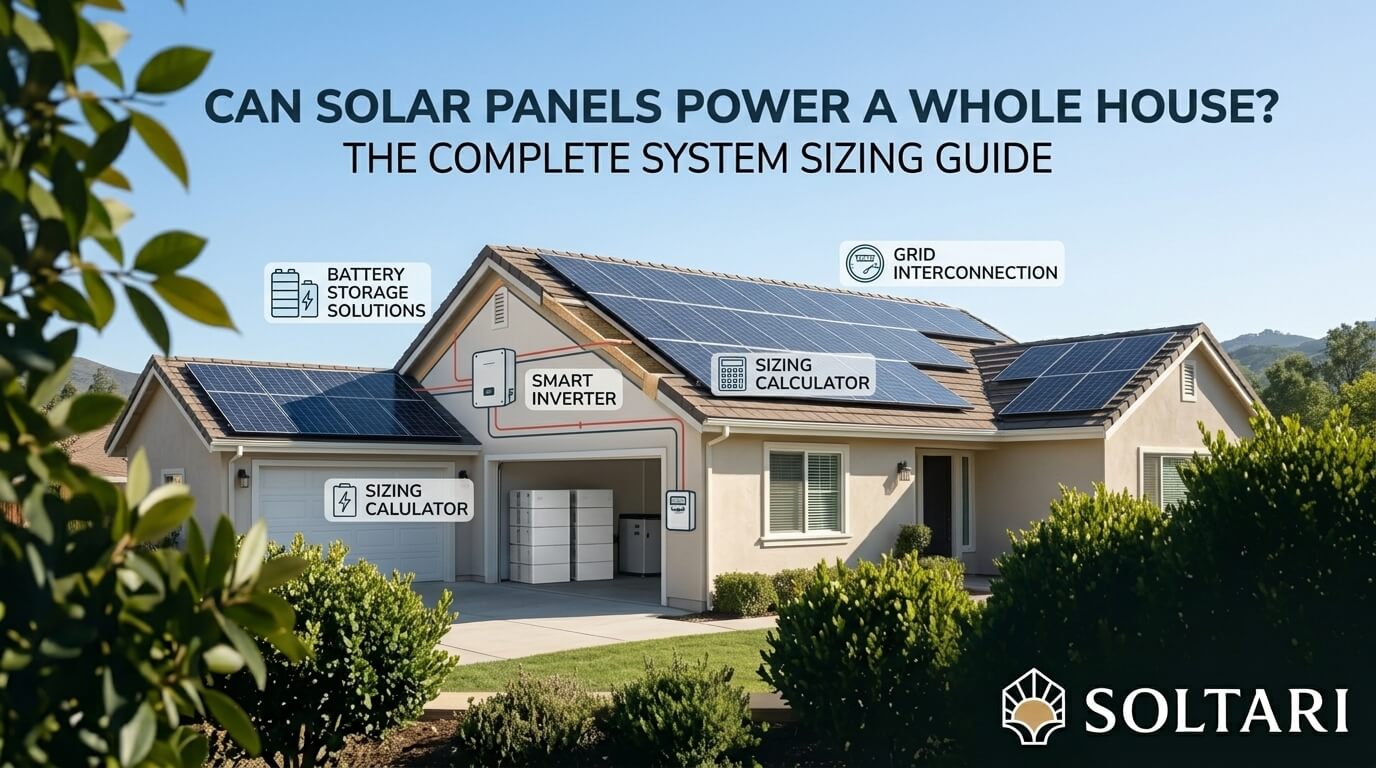
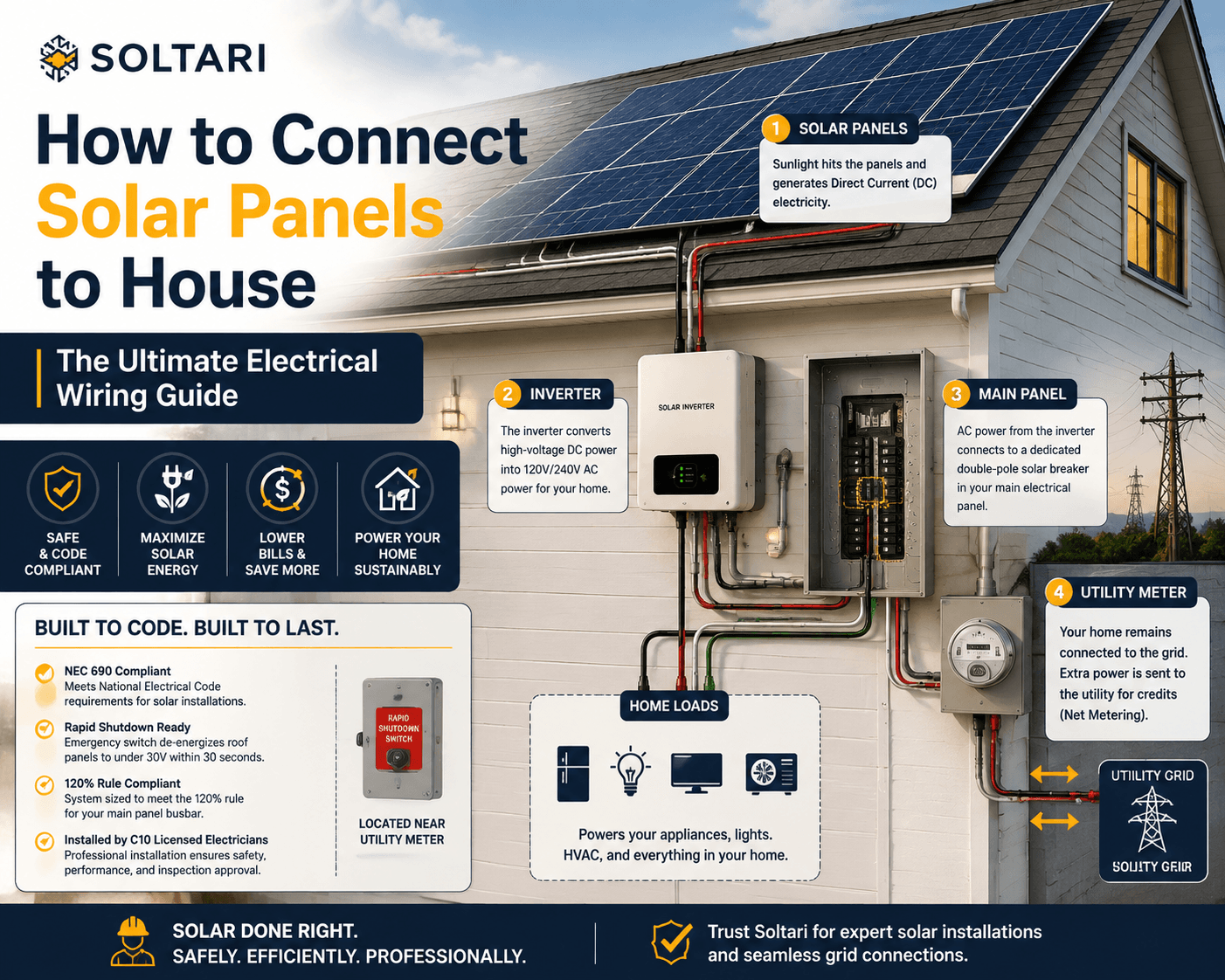
If you’ve been thinking about switching to solar, understanding the basics first makes every other decision easier. A home solar power system works by capturing sunlight through photovoltaic (PV) cells built into the panels — typically made from silicon — and converting that sunlight into direct current (DC) electricity. An inverter then transforms that DC power into alternating current (AC), which is what every outlet, appliance, and light fixture in your home actually runs on.
A complete solar energy system for home use includes the panels, an inverter, a mounting structure, and depending on your setup, a battery bank. Grid-tied systems — the most common choice for American homeowners — stay connected to the utility grid, letting you draw power at night and send excess electricity back during the day. Off grid solar systems, more common in rural areas of states like Montana, Wyoming, and parts of Texas, operate independently using battery storage to cover nighttime and cloudy-day power needs.
What makes residential solar so appealing in the US right now is the combination of dramatically lower equipment costs and strong federal incentives. The system quietly does its job year after year — no fuel, no moving parts, no noise — while your electricity meter either slows down or, in many cases, runs backward.
How Many Solar Panels Do I Need?
This is the question almost every American homeowner asks first, and it’s the right one to start with. The honest answer depends on your specific situation, but the math isn’t complicated.
The average US household consumes about 886 kilowatt-hours (kWh) of electricity per month, according to the US Energy Information Administration. A standard 400-watt solar panel under typical American sunlight conditions — roughly 4 to 5 peak sun hours per day depending on your state — produces around 48 to 60 kWh per month. Running those numbers, most average American homes need somewhere between 15 and 20 panels to cover their full electricity usage.
But your number shifts based on where you live. A homeowner in Phoenix, Arizona gets significantly more sun than someone in Seattle, Washington, which means fewer panels needed for the same output. Someone in Florida with central air conditioning running most of the year has much higher consumption than a homeowner in mild-climate San Diego.
Key factors that shape how many panels you need:
- Your monthly kWh usage — pull your last 12 utility bills and average them out
- Your state’s average peak sun hours — the Southwest gets the most, the Pacific Northwest the least
- Your roof’s direction and angle — south-facing roofs at a 30-degree pitch are ideal in the continental US
- Whether you want a full off grid solar system or a grid-tied setup
A qualified solar system installer near you will run a proper load analysis and shade assessment using satellite imaging before recommending a system size. But knowing the rough math helps you walk into that conversation informed.
How Many Solar Panels to Power a House Completely?
Fully powering an American home on solar is something hundreds of thousands of households across the country are already doing. The question is what “completely” looks like for your specific home and lifestyle.
A smaller, energy-efficient home in the Sun Belt — say a 1,500 square foot house in New Mexico or Arizona — might run comfortably on 12 to 16 panels paired with a good battery bank. A larger home in the Midwest with gas heat converted to electric, plus an EV charger added to the mix, could need 28 to 35 panels or more.
For homeowners serious about going fully off-grid, a complete solar panel system needs more than just panels. You’ll need:
- Battery storage — the best off grid solar system packages with batteries in the US market typically pair high-capacity lithium iron phosphate (LiFePO4) batteries with a hybrid inverter. Brands like Enphase, SolarEdge, and Tesla Powerwall are among the most widely installed options nationwide.
- Proper system sizing with a buffer — off grid solar power systems are generally sized at 20 to 30 percent above your average daily consumption to handle stretches of cloudy weather
- A backup plan — many rural American homeowners pair their off grid solar power system with a propane or natural gas generator for extended low-sun periods in winter
For most suburban American homeowners, a grid-tied home solar panel system with optional battery backup strikes the best balance between cost, reliability, and energy independence. The best solar system for your house is ultimately the one sized correctly for your real consumption — not the largest one a salesperson can convince you to buy.
How Much Are Solar Panels for Homes?
Let’s get into the numbers, because this is where a lot of American homeowners either move forward or hesitate.
The average cost of a residential solar panel system in the United States in 2024 ranged from about $3.00 to $4.50 per watt before incentives, according to industry data from the National Renewable Energy Laboratory (NREL). Here’s what that looks like in practical terms:
| System Size | Typical Home Size | Estimated Cost (Before Incentives) |
| 5 kW | Small home / low usage | $15,000 – $22,500 |
| 8 kW | Average US home | $24,000 – $36,000 |
| 10 kW | Larger home / high usage | $30,000 – $45,000 |
| 12 kW+ | Large home / EV charging | $36,000+ |
Before you flinch at those numbers — the federal solar Investment Tax Credit (ITC) currently gives you back 30% of your total system cost as a direct credit against your federal income taxes. On a $24,000 system, that’s $7,200 back in your pocket. Many states stack additional incentives on top: California, New York, Massachusetts, and Texas all have programs that further reduce home solar system cost.
Home solar panel system cost also varies by region. Labor is more expensive in California and New York than in the Southeast or Midwest. Permitting fees differ city by city. And roof condition matters — if your roof needs work before installation, that adds to the total.
How Much for Solar Panels — What Actually Drives the Price?
Beyond system size, several variables influence what you’ll pay for a solar power system for home use in the US:
Panel brand and efficiency. Premium American-market panels from brands like SunPower (now Maxeon), REC, or Panasonic carry stronger efficiency ratings and longer warranties — often 25 years on both product and performance. Budget panels cost less upfront but may degrade faster, especially in high-heat climates like the Southwest.
Inverter technology. String inverters are the most affordable and work well on roofs without shading issues. Microinverters (Enphase is the dominant US brand) or power optimizers (SolarEdge) cost more but handle shading better and offer panel-level monitoring. For whole-home backup, a hybrid inverter that integrates battery storage is the standard choice.
Battery storage. Adding a Tesla Powerwall, Enphase IQ Battery, or Franklin WH battery to your solar energy system installation is the biggest single cost variable. Expect to add $10,000 to $20,000 depending on capacity and brand. Many American homeowners are adding batteries specifically for grid outage protection — a concern that’s grown significantly following major weather events across the South, Midwest, and West Coast.
Installation complexity. A straightforward single-story ranch home in the suburbs is much simpler to work on than a multi-story home with a steep pitch, complex roofline, or HOA restrictions. Some states and municipalities also have more involved permitting processes that add time and cost.
Utility company policies. Net metering policies — which determine how much your utility pays you for excess power — vary significantly by state and even by utility company. States like California, New Jersey, and Massachusetts have historically had strong net metering programs, though policies continue to evolve.
Do Solar Panels Save Money?
For most American homeowners, yes — and the data backs that up clearly.
The average payback period for a residential solar system in the United States is currently 6 to 10 years, depending on system cost, local electricity rates, available incentives, and how much of the generated power you consume directly. After payback, the electricity your system produces costs you essentially nothing for the remaining 15 to 20 years of the system’s productive life.
Here’s how the savings actually accumulate for a typical American household:
- Monthly bill reduction. Most homeowners see their utility bill drop by 70 to 100 percent. In high-rate states like California, Hawaii, Massachusetts, and Connecticut — where electricity often costs 25 to 35 cents per kWh — savings pile up fast.
- Net metering credits. In states with favorable net metering, excess power sent to the grid earns you bill credits at the retail rate, effectively using the grid as free storage.
- Protection from rate increases. US electricity prices have risen an average of about 2 to 3 percent annually over the past decade. Locking in solar production now means that rising utility rates work in your favor over time.
- Home value increase. A Lawrence Berkeley National Laboratory study found that homes with solar panels sell for a premium — roughly $15,000 more on average for a typical residential system — and tend to sell faster than comparable non-solar homes.
- Battery backup value. For homeowners in areas prone to grid outages — California wildfire zones, Gulf Coast hurricane regions, Midwest ice storm territory — having battery storage adds real financial and practical value beyond just the electricity itself.
The best solar system for house savings isn’t necessarily the most expensive or largest system. It’s the one matched to your actual consumption, priced competitively, and installed by a reputable company with a solid warranty and service record.
How to Install Solar Panels — The US Process Step by Step
Most American homeowners work with professional installers, which is the right call for a grid-tied home solar system. Here’s exactly what the process looks like from start to finish:
Step 1 — Free site assessment and quote. A solar consultant visits your home (or conducts a remote assessment using satellite data) to evaluate your roof, measure shade impact, review your utility bills, and design a system. Most reputable US solar companies offer this at no cost.
Step 2 — System design and contract. The installer finalizes your solar panel system design — panel count, layout, inverter type, and if applicable, battery storage. You review the proposal, financing options, and sign a contract.
Step 3 — Permitting. Your installer files for building permits with your local municipality and submits interconnection paperwork to your utility company. This step takes anywhere from two weeks to two months depending on your city and utility. It’s one of the most variable parts of the timeline in the US market.
Step 4 — HOA approval (if applicable). Federal law (the Solar Rights Act) and most state laws protect homeowners’ right to install solar, but many HOAs still require design approval before installation.
Step 5 — Installation day. A crew typically arrives and completes the physical solar power system installation in one to three days. They mount the racking, attach the panels, run conduit and wiring through your attic or along exterior walls, and connect the inverter to your electrical panel.
Step 6 — Inspection and utility approval. A local building inspector signs off on the work. Your utility company then approves the interconnection — sometimes sending their own technician to install a new meter or verify the setup.
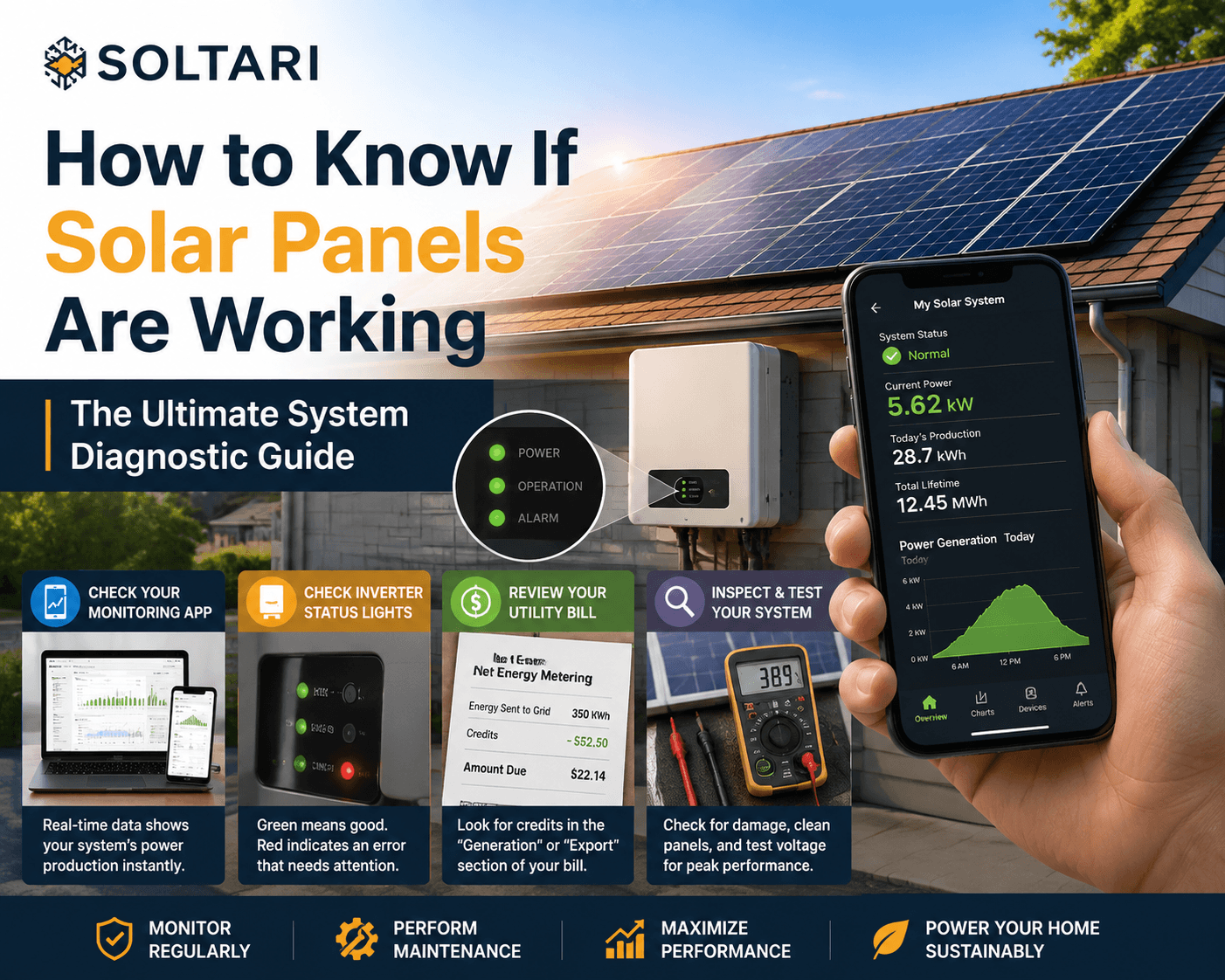
Step 7 — System activation and monitoring. Once everything clears, your installer activates the system and walks you through the monitoring app. Most major US solar systems — whether using Enphase, SolarEdge, or SMA — come with real-time production monitoring accessible from your phone.
From signed contract to activated system, the average timeline in the US is six to twelve weeks, with permitting being the biggest variable.
How to Build Solar Energy — DIY vs. Professional in the US
Some American homeowners want to explore how to build a solar energy setup themselves. For small off grid applications — a cabin in Colorado, a backup system for a workshop in Tennessee, or a supplemental setup in a rural area — DIY solar kits are widely available from suppliers like Renogy, Goal Zero, and altE, and they can work very well in capable hands.
For a full home solar panel system connected to the utility grid, however, DIY installation runs into significant practical barriers in the US:
- Electrical licensing requirements. Most states require a licensed electrician for the final AC connections and panel work. Some states require a licensed solar contractor for the entire install solar systems process.
- Permit and inspection requirements. Grid-tied systems need to pass inspection, and inspectors in most jurisdictions won’t sign off on unpermitted DIY electrical work.
- Utility interconnection standards. Utility companies have specific technical requirements for solar energy system installation that connects to their grid. DIY systems often fail to meet these without professional engineering sign-off.
- Warranty implications. Most panel and inverter manufacturers require professional installation to honor their product warranties.
The practical middle ground that some experienced American homeowners use: purchase equipment directly from a wholesaler, handle the physical mounting themselves, and hire a licensed electrician for the wiring and interconnection. This approach can reduce costs while keeping everything code-compliant.
For the vast majority of US homeowners though, working with the best solar system installers in your area — getting multiple quotes, checking reviews on the Better Business Bureau and EnergySage marketplace, and verifying NABCEP certification — produces the best outcome with the least risk.
Summary
The US solar market is mature, competitive, and better supported by incentives than at any point in history. Here’s the complete picture in brief:
How solar works: Panels convert sunlight to DC electricity; an inverter converts it to AC for home use. A complete home solar power system may include batteries, monitoring, and in some cases, a backup generator.
How many panels you need: Most average American homes need 15 to 20 panels. Higher-consumption homes or off-grid setups may need 25 to 35 or more. Your location and sun hours matter significantly.
What it costs: Home solar panel system cost runs roughly $15,000 to $45,000 before incentives depending on system size. The 30% federal ITC substantially reduces the net cost, with additional state incentives available in many markets.
Whether it saves money: Yes — payback typically runs 6 to 10 years, with 15 to 20 more years of near-free electricity after that. Home values also increase with solar.
How installation works: Professional solar system installation in the US involves assessment, design, permitting, physical installation, inspection, and utility interconnection — typically six to twelve weeks start to finish.
DIY options: Practical for off-grid and small supplemental systems. For grid-tied whole-home systems, professional installation is the standard and generally the smarter path given licensing, permitting, and warranty considerations.
The best next step is requesting quotes from two or three reputable solar system installers near you, comparing them side by side on system size, equipment brands, warranties, and financing terms. Tools like EnergySage make this easy and transparent. With the right system and the right installer, going solar in America today is one of the most financially and practically sound decisions a homeowner can make.


2 Responses
Such a Nice Appricated and Get my all point
Sound good